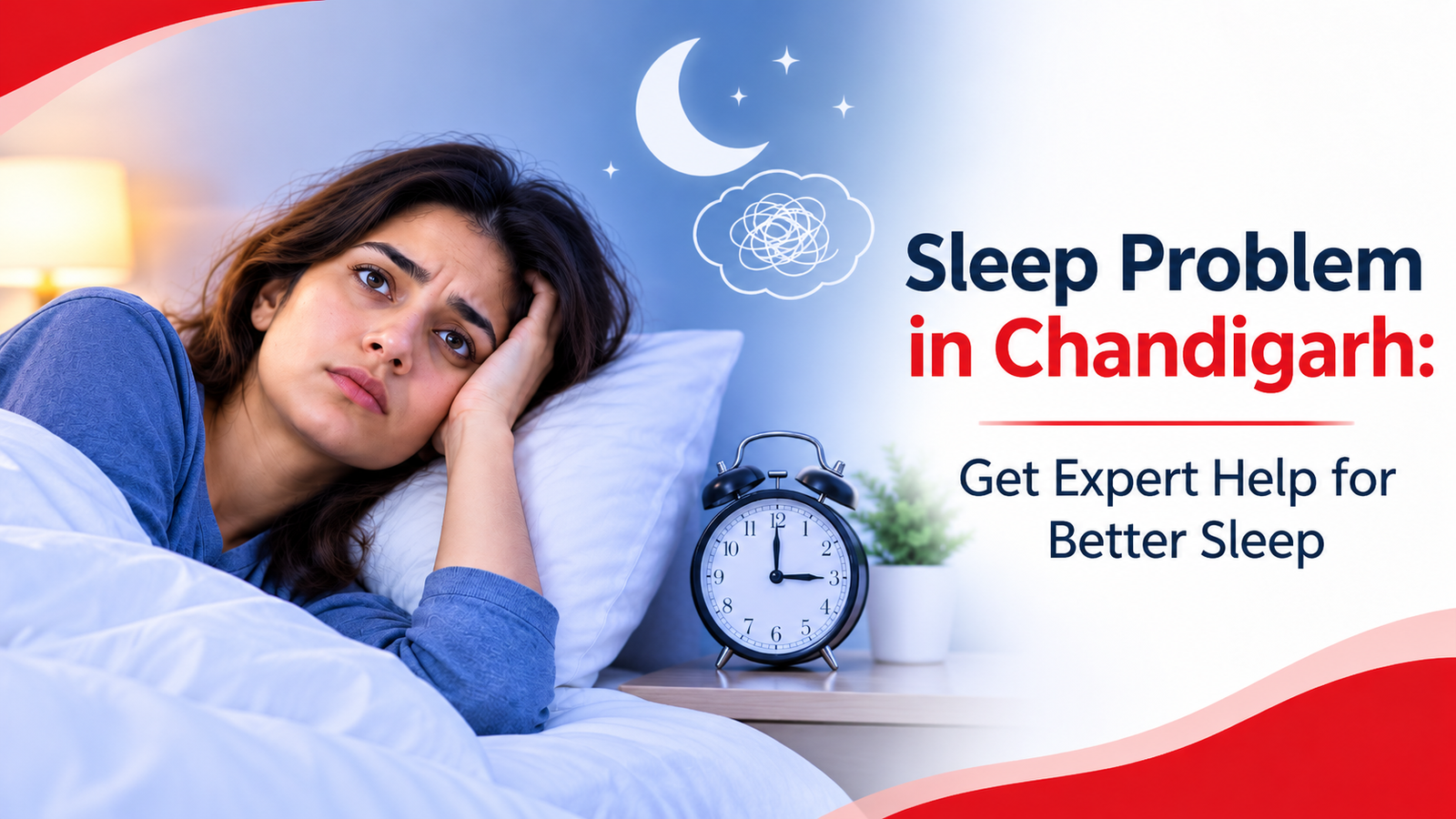
A good night’s sleep is essential for maintaining physical health, emotional balance, and mental well-being. However, many people struggle to fall asleep, stay asleep, or wake up feeling refreshed. If you regularly experience sleepless nights, wake up feeling exhausted, or find it difficult to concentrate during the day, you may be experiencing insomnia or another sleep-related problem.
Sleep difficulties can affect people of all ages. Work pressure, anxiety, stress, lifestyle habits, and underlying medical or mental health conditions can all contribute to poor sleep quality. While occasional sleeplessness is common, persistent sleep problems should not be ignored.
Seeking professional Insomnia & Sleep Problems Treatment in Chandigarh can help identify the underlying causes of sleep difficulties and determine an appropriate treatment approach.
Through appropriate Psychiatry Services, individuals experiencing sleep disturbances can receive professional assessment, understand possible psychological factors, and explore suitable treatment options.
Whether you experience difficulty falling asleep, frequent nighttime awakenings, or early morning waking, understanding your symptoms is the first step towards better sleep health.
What Is Insomnia?
Insomnia is a sleep disorder characterised by difficulty falling asleep, staying asleep, or waking up earlier than intended without being able to return to sleep.
People experiencing insomnia may spend several hours in bed but still struggle to get enough restorative sleep. Even when they have sufficient time and a comfortable sleeping environment, they may continue experiencing sleep difficulties.
Insomnia can generally be classified into two categories:
- Short-Term Insomnia
Short-term insomnia usually lasts for a few days or weeks. It may develop due to stressful situations, personal problems, work pressure, travel, or sudden changes in daily routines.
- Chronic Insomnia
Chronic insomnia involves sleep difficulties occurring at least three nights per week for three months or longer, along with daytime effects. It may be associated with ongoing stress, psychological conditions, medical problems, or unhealthy sleep patterns.
If sleep difficulties are affecting your daily routine, seeking an evaluation from a qualified psychiatrist can help you understand the possible causes and treatment options.
Common Symptoms of Insomnia and Sleep Disorders
Insomnia does not affect everyone in the same way. Some people struggle to fall asleep, while others wake up repeatedly during the night.
Common symptoms include:
- Difficulty falling asleep even when feeling tired.
- Waking up frequently during the night.
- Waking up too early in the morning.
- Feeling unrefreshed after sleeping.
- Daytime tiredness and low energy.
- Difficulty concentrating or remembering things.
- Irritability, mood changes, and emotional sensitivity.
- Increased worry about not getting enough sleep.
- Reduced productivity and difficulty managing daily activities.
These symptoms can affect your personal relationships, professional performance, and overall quality of life.
If these problems occur regularly, consider seeking professional guidance for Insomnia & Sleep Problems Treatment in Chandigarh.
What Causes Insomnia and Sleep Problems?
Sleep difficulties can develop due to several psychological, physical, and lifestyle-related factors. Identifying the underlying cause is important for choosing the right treatment.
1. Stress and Anxiety
Stress is one of the common contributors to sleep difficulties. When your mind remains occupied with work responsibilities, financial concerns, family issues, or personal worries, it can become difficult to relax at bedtime.
People with anxiety may experience racing thoughts, excessive worrying, and physical restlessness, which can interfere with sleep.
2. Depression and Mood Disorders
Depression can significantly affect sleep patterns. Some individuals experience insomnia, while others may sleep excessively.
Early morning awakening, disturbed sleep, low energy, and persistent tiredness can sometimes occur alongside depressive symptoms.
3. Unhealthy Sleep Habits
Irregular sleeping schedules and certain daily habits can interfere with the body’s natural sleep-wake cycle.
Examples include:
- Using mobile phones or laptops late at night.
- Consuming caffeine close to bedtime.
- Sleeping at different times every day.
- Taking long or late afternoon naps.
- Working late-night shifts.
- Having an inconsistent bedtime routine.
4. Medical Conditions
Certain physical health conditions can affect sleep quality. Chronic pain, breathing difficulties, hormonal changes, and other medical concerns may contribute to disturbed sleep.
Conditions such as sleep apnoea and restless legs syndrome also require appropriate assessment.
5. Excessive Screen Time
Exposure to bright screens before bedtime can interfere with the natural sleep routine. Engaging with social media, watching videos, or working on electronic devices late at night may delay bedtime and make it harder to relax.
6. Certain Medications and Substances
Some medicines and substances can affect sleep. Caffeine, nicotine, alcohol, and certain prescription medications may contribute to sleep disturbances.
Never stop prescribed medication without consulting your healthcare professional.
When Should You Seek Professional Help for Sleep Problems?
Occasional sleepless nights are not necessarily a sign of a sleep disorder. However, persistent sleep difficulties that affect your daily functioning deserve attention.
You should consider consulting a psychiatrist if:
- You regularly struggle to fall asleep.
- You wake up multiple times during the night.
- You feel tired despite spending enough time in bed.
- Sleep problems are affecting your work or studies.
- Anxiety or overthinking prevents you from relaxing.
- You experience persistent mood changes alongside sleep difficulties.
- Your sleep problems have continued for several weeks or months.
Early professional assessment can help identify contributing factors before sleep difficulties become more disruptive.
Insomnia & Sleep Problems Treatment in Chandigarh: Available Treatment Options
The treatment of insomnia depends on its duration, severity, underlying causes, and the individual’s overall health.
There is no single treatment approach that works for everyone. A qualified psychiatrist or other appropriate healthcare professional may recommend one or more of the following approaches.
1. Cognitive Behavioural Therapy for Insomnia (CBT-I)
Cognitive Behavioural Therapy for Insomnia, commonly known as CBT-I, is a structured, evidence-based psychological treatment for chronic insomnia.
It helps individuals identify and change thoughts and behaviours that contribute to sleep difficulties.
CBT-I may involve:
- Identifying negative thoughts related to sleep.
- Improving sleep-related habits.
- Developing a consistent sleep schedule.
- Reducing anxiety associated with bedtime.
- Learning relaxation techniques.
- Improving the association between bed and sleep.
CBT-I is generally recommended as a first-line treatment for chronic insomnia in adults.
2. Medication Management
In certain situations, a psychiatrist may consider medication as part of insomnia treatment.
The choice of medication depends on the individual’s symptoms, medical history, other medications, and potential risks.
Medication may be considered for short-term management or specific sleep-related conditions when clinically appropriate.
Sleeping pills should never be taken without medical advice. Some medications can cause dependence, side effects, or next-day drowsiness.
3. Relaxation and Stress Management
Stress and anxiety can make it difficult for the mind and body to settle down at bedtime.
Relaxation strategies may help reduce physical tension and mental restlessness.
These may include:
- Deep breathing exercises.
- Mindfulness practices.
- Guided relaxation.
- Meditation.
- Progressive muscle relaxation.
A mental health professional can help identify techniques that may be useful for your individual concerns.
4. Sleep Hygiene Improvement
Sleep hygiene refers to habits and environmental conditions that support healthy sleep.
Some useful practices include:
- Maintain a regular sleeping and waking schedule.
- Keep your bedroom quiet, dark, and comfortable.
- Avoid caffeine close to bedtime.
- Limit screen exposure before sleeping.
- Avoid heavy meals immediately before bedtime.
- Exercise regularly, preferably during the daytime.
- Avoid using your bed for prolonged work or entertainment.
These habits can support treatment, although sleep hygiene alone may not be sufficient for chronic insomnia.
5. Treatment of Underlying Mental Health Conditions
When insomnia occurs alongside anxiety, depression, or another mental health condition, treating the underlying problem may also improve sleep.
A psychiatrist can evaluate the relationship between your sleep difficulties and emotional health before recommending an appropriate treatment plan.
How Can Psychiatry Services Help With Insomnia and Sleep Problems?
Sleep disturbances are sometimes connected to underlying psychological and emotional concerns. Persistent anxiety, depression, stress, and other mental health conditions may affect the quality and duration of sleep.
Professional Psychiatry Services can help individuals understand these connections and explore appropriate treatment options.
A psychiatrist may help with:
Mental Health Assessment: Evaluating anxiety, depression, stress, and other psychological concerns that may contribute to sleep difficulties.
Sleep-Related Evaluation: Understanding sleep patterns, symptoms, and possible contributing factors.
Medication Management: Discussing medication when clinically appropriate, including its potential benefits and risks.
Treatment Planning: Recommending suitable psychological interventions, lifestyle changes, or referrals to other specialists when needed.
Follow-Up Support: Monitoring symptoms and reviewing treatment progress over time.
The right treatment approach depends on individual symptoms, medical history, and overall health.
How Is Insomnia Diagnosed?
Before recommending treatment, a healthcare professional will usually assess your sleep history, symptoms, lifestyle, and overall health.
The evaluation may include:
- Sleep History: Understanding your bedtime routine, sleeping hours, nighttime awakenings, and daytime symptoms.
- Medical History: Reviewing existing medical conditions, medications, and other factors that may affect sleep.
- Mental Health Assessment: Evaluating possible anxiety, depression, stress, and other psychological concerns.
- Sleep Diary: Recording your sleeping and waking times, sleep quality, and daytime experiences over a period of time.
- Additional Investigations: In selected cases, a sleep study or other medical investigations may be recommended, particularly when another sleep disorder is suspected.
An accurate assessment helps distinguish insomnia from other sleep-related conditions and guides appropriate treatment.
How Are Anxiety and Insomnia Connected?
Anxiety and insomnia often influence each other.
When someone experiences anxiety, their mind may remain active even when their body is physically tired. Repeated worrying, racing thoughts, and fear about upcoming responsibilities can make falling asleep difficult.
At the same time, inadequate sleep may increase emotional sensitivity, irritability, and difficulty managing stress.
This can create a repeating cycle:
- Anxiety makes it difficult to fall asleep.
- Poor sleep increases daytime stress.
- Increased stress makes the next night more difficult.
- Repeated sleep disturbances affect emotional well-being.
Addressing both anxiety and sleep difficulties may be important for individuals experiencing this pattern.
Lifestyle Tips to Improve Sleep Quality
Alongside professional treatment, certain lifestyle changes may support healthier sleep patterns.
Maintain a Consistent Sleep Schedule
Try to sleep and wake up at approximately the same time every day, including weekends.
Reduce Caffeine Intake
Coffee, tea, energy drinks, and other caffeinated beverages can interfere with sleep, especially when consumed later in the day.
Create a Relaxing Bedtime Routine
Choose calming activities before bedtime, such as reading, listening to relaxing music, or practising deep breathing.
Get Regular Physical Activity
Regular exercise can support overall health and sleep quality. Avoid intense exercise too close to bedtime if it makes you feel more alert.
Avoid Constantly Checking the Clock
Repeatedly checking the time during sleepless nights can increase frustration and anxiety about not sleeping.
Make Your Bedroom Comfortable
A quiet, dark, and comfortable sleeping environment can support better sleep.
Remember that lifestyle changes are helpful, but persistent insomnia may require professional assessment and structured treatment.
Why Consult a Psychiatrist for Insomnia and Sleep Problems in Chandigarh?
Persistent sleep difficulties are not always caused by poor sleeping habits. They may be connected to anxiety, depression, stress, medication effects, or other health conditions.
A psychiatrist can help assess the possible relationship between sleep disturbances and mental health.
Professional consultation may help you:
- Understand the possible causes of sleep difficulties.
- Identify associated psychological concerns.
- Explore appropriate psychological treatment options.
- Discuss medication when clinically necessary.
- Develop an individualised approach to improving sleep.
- Monitor symptoms and treatment progress.
If you are experiencing ongoing sleep difficulties, seeking Insomnia & Sleep Problems Treatment in Chandigarh through appropriate psychiatric care can be an important step towards better sleep and improved daily functioning.
Frequently Asked Questions About Insomnia Treatment in Chandigarh
1. Which doctor should I consult for insomnia in Chandigarh?
You can consult a psychiatrist for insomnia, particularly when sleep difficulties are associated with anxiety, depression, stress, or other mental health concerns. Depending on your symptoms, a physician or sleep medicine specialist may also be appropriate.
2. Can insomnia be treated without sleeping pills?
Yes. Cognitive Behavioural Therapy for Insomnia (CBT-I) is an evidence-based treatment that does not rely on sleeping pills. Sleep scheduling, behavioural strategies, and relaxation techniques may also be recommended. Treatment depends on individual needs.
3. What is the most effective treatment for chronic insomnia?
CBT-I is generally considered a first-line treatment for chronic insomnia in adults. A healthcare professional may recommend additional approaches depending on the underlying causes and individual health history.
4. Can anxiety cause difficulty sleeping?
Yes. Anxiety can lead to racing thoughts, excessive worrying, restlessness, and difficulty relaxing at bedtime. Addressing anxiety may help improve sleep in individuals whose insomnia is related to anxiety.
5. When does a sleep problem become chronic insomnia?
Chronic insomnia is generally defined as difficulty sleeping at least three nights per week for three months or longer, with associated daytime difficulties.
6. Is insomnia a mental health problem?
Insomnia is a sleep disorder that can occur independently or alongside mental health conditions such as anxiety and depression. A proper assessment can help identify contributing factors.
7. Can lifestyle changes alone cure insomnia?
Lifestyle improvements can support better sleep, particularly when poor sleep habits contribute to the problem. However, persistent or chronic insomnia may require structured treatment such as CBT-I or other clinically appropriate interventions.
8. How can I improve my sleep naturally?
Maintaining a consistent sleep schedule, limiting caffeine, reducing screen exposure before bedtime, exercising regularly, and practising relaxation techniques may support better sleep. Persistent symptoms should be professionally assessed.
9. Do psychiatry services include treatment for sleep problems?
Psychiatry Services can include the assessment and management of sleep difficulties, particularly when they are associated with anxiety, depression, stress, or other mental health conditions. The appropriate treatment depends on individual needs.
Take the First Step Towards Better Sleep
Sleep is essential for your physical health, emotional well-being, and everyday functioning. Persistent insomnia can affect your concentration, mood, relationships, and quality of life.
However, sleep difficulties should not be treated as something you simply have to live with. Understanding the underlying cause and choosing an appropriate treatment approach can make a meaningful difference.
If you are experiencing frequent sleepless nights, difficulty staying asleep, or ongoing daytime fatigue, consider seeking professional guidance.
Looking for Insomnia & Sleep Problems Treatment in Chandigarh? Explore appropriate Psychiatry Services and consult a qualified psychiatrist to discuss your symptoms and suitable treatment options.
Better sleep begins with understanding your concerns and taking the right steps towards care.