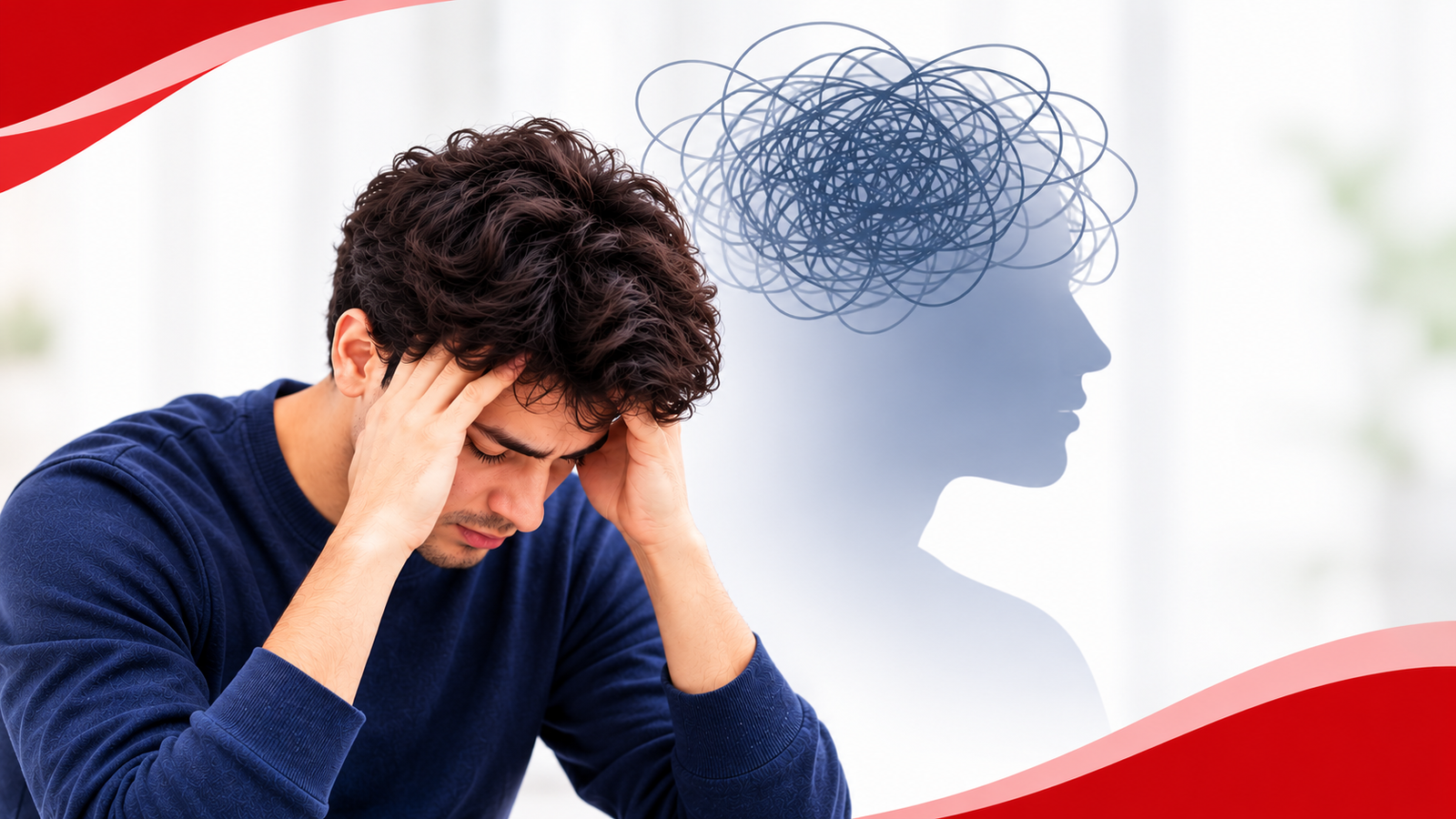
Depression is more than feeling sad or having a difficult day. It is a mental health condition that can affect a person’s emotions, thoughts, behaviour, relationships, sleep, and everyday activities. People experiencing depression may find it difficult to concentrate, maintain relationships, perform at work, or enjoy activities they previously loved.
With increasing awareness of mental health, more people are seeking professional help for depression. If you or someone close to you is experiencing persistent sadness, loss of interest, emotional exhaustion, or hopelessness, exploring depression treatment in Chandigarh can be an important step towards recovery.
Chandigarh has access to psychiatric and psychological healthcare services that can help individuals understand their symptoms and receive appropriate support. Finding a qualified psychiatrist or mental health professional can help you choose a treatment approach based on your individual needs.
What Is Depression?
Depression, also known as depressive disorder, is a mental health condition characterized by persistent low mood, reduced interest in activities, and changes in emotional and physical functioning.
Unlike temporary sadness, depression can continue for weeks or longer and interfere with everyday life.
It can affect anyone, regardless of age, gender, education, profession, or financial background.
Depression may develop due to a combination of factors, including:
- Genetic and family history.
- Prolonged stress and emotional pressure.
- Relationship or family difficulties.
- Traumatic or distressing experiences.
- Certain medical conditions.
- Changes in brain chemistry and biological functioning.
- Substance use and lifestyle-related factors.
Understanding the possible causes and symptoms is an important part of seeking appropriate depression treatment.
Common Signs and Symptoms of Depression
Depression does not look the same in everyone. Some people experience emotional symptoms, while others primarily notice physical changes or difficulties in their daily routine.
Common symptoms include:
1. Persistent Sadness: Feeling low, empty, hopeless, or emotionally exhausted for extended periods.
2. Loss of Interest: Losing interest in hobbies, social activities, work, or things that previously brought happiness.
3. Sleep Disturbances: Experiencing difficulty falling asleep, waking up frequently, or sleeping excessively.
4. Changes in Appetite: Eating significantly more or less than usual, sometimes accompanied by weight changes.
5. Constant Fatigue: Feeling tired, physically weak, or lacking the motivation to complete everyday tasks.
6. Difficulty Concentrating: Struggling with decision-making, memory, attention, or completing routine responsibilities.
7. Feelings of Guilt: Experiencing excessive guilt, worthlessness, or negative thoughts about oneself.
8. Social Withdrawal: Avoiding friends, family members, and social interactions.
These symptoms should not be ignored, especially when they persist for around two weeks or interfere with daily functioning. A professional assessment is important because similar symptoms can also occur in other medical or mental health conditions.
Types of Depression
Depression can occur in different forms. Understanding the type of depressive condition can help healthcare professionals determine an appropriate treatment plan.
1. Major Depressive Disorder
Major Depressive Disorder (MDD) is characterized by persistent depressive symptoms that significantly affect everyday functioning.
Individuals may experience low mood, loss of interest, fatigue, sleep disturbances, and difficulty concentrating.
2. Persistent Depressive Disorder
Persistent Depressive Disorder, also known as dysthymia, involves long-lasting depressive symptoms that may continue for years.
Although symptoms may sometimes be less intense than those of major depression, they can significantly affect quality of life.
3. Postpartum Depression
Postpartum depression can develop after childbirth and involves persistent sadness, anxiety, emotional exhaustion, and difficulty adjusting to motherhood.
It requires appropriate professional support and should not be dismissed as ordinary tiredness after childbirth.
4. Seasonal Affective Disorder
Some individuals experience depressive symptoms associated with particular seasons or changes in environmental conditions.
Symptoms may include low energy, changes in sleep, reduced motivation, and persistent sadness.
5. Depression Associated with Medical Conditions
Certain physical health conditions, medications, and hormonal changes can contribute to depressive symptoms.
A medical and psychiatric evaluation can help identify possible contributing factors.
Depression Treatment in Chandigarh: Available Treatment Options
Depression is treatable, and the right approach depends on symptom severity, medical history, personal preferences, and individual circumstances.
People searching for depression treatment in Chandigarh can explore different professional treatment options.
1. Psychiatric Consultation
A psychiatrist is a qualified medical doctor who specializes in diagnosing and treating mental health conditions.
During a psychiatric consultation, the doctor may discuss:
- Current emotional and physical symptoms.
- Medical and family history.
- Sleep and appetite changes.
- Lifestyle and stress-related factors.
- Previous mental health treatment.
- The impact of symptoms on everyday activities.
Based on the assessment, the psychiatrist can recommend an appropriate treatment plan.
2. Medication for Depression
In certain cases, psychiatrists may prescribe antidepressant medication to help manage depressive symptoms.
Medication selection depends on several factors, including the severity of depression, medical history, existing medications, and possible side effects.
Patients should follow their psychiatrist’s instructions and attend regular follow-up appointments.
Important: Never start, stop, or change the dosage of antidepressant medication without consulting your treating doctor.
3. Cognitive Behavioural Therapy (CBT)
Cognitive Behavioural Therapy is an evidence-based psychological treatment used for depression.
CBT helps individuals understand the relationship between their thoughts, emotions, and behaviours.
It may help people:
- Recognize negative thinking patterns.
- Develop healthier coping strategies.
- Manage emotional difficulties.
- Improve problem-solving skills.
- Build more positive daily routines.
CBT should be provided by a suitably trained mental health professional.
4. Interpersonal Therapy (IPT)
Interpersonal Therapy focuses on how relationships, communication difficulties, grief, and major life changes can influence emotional well-being.
It helps individuals understand relationship-related challenges and develop healthier ways to manage interpersonal stress.
5. Combined Treatment
Some individuals may benefit from a combination of psychotherapy and medication.
The choice between psychotherapy, medication, or combined treatment depends on clinical assessment and individual needs. Current Indian clinical guidance supports personalized treatment based on the severity of depression and patient preferences.
Why Is Early Depression Treatment Important?
Many individuals delay seeking help because they feel embarrassed, fear social judgment, or believe that their symptoms will improve without professional support.
However, untreated depression can affect several areas of life.
Early professional intervention can help:
- Improve emotional well-being.
- Manage persistent sadness and anxiety.
- Improve sleep and daily functioning.
- Strengthen personal relationships.
- Develop healthier coping mechanisms.
- Reduce the risk of worsening symptoms.
- Support long-term recovery and relapse prevention.
Seeking help does not mean that someone is weak. It means recognizing the importance of mental health and taking a positive step towards improvement.
How to Find the Right Psychiatrist for Depression Treatment in Chandigarh?
Choosing the right psychiatrist is an important part of the treatment journey.
Before scheduling an appointment, consider the following factors:
Qualifications and Medical Experience: Look for a psychiatrist with recognized medical qualifications and appropriate training in psychiatry.
Clinical Expertise: Consider experience in treating depression, anxiety disorders, mood disorders, and other related conditions.
Patient Communication: Choose a professional who listens carefully, understands your concerns, and explains treatment options clearly.
Personalized Treatment: Depression affects everyone differently. Treatment should be planned according to individual symptoms and clinical requirements.
Follow-Up Support: Regular monitoring can help assess treatment progress and address any concerns during recovery.
If you are exploring psychiatric consultation in Chandigarh, you can also discover psychiatrist profiles through Global Counselling.
Meet Dr. Prannay Gulati – Psychiatrist in Chandigarh
Individuals looking for psychiatric consultation in Chandigarh can explore the professional profile of Dr. Prannay Gulati, a qualified psychiatrist with an MBBS and MD in Psychiatry.
His professional experience includes working at Government Medical College and Hospital (GMCH), Sector 32, Chandigarh, and the Postgraduate Institute of Medical Education and Research (PGIMER), Chandigarh.
His clinical areas of expertise include:
- Depression and mood disorders.
- Anxiety disorders.
- Obsessive-Compulsive Disorder (OCD).
- Bipolar disorder.
- Sleep disorders.
- De-addiction and substance use disorders.
- Schizophrenia and other psychiatric conditions.
Frequently Asked Questions (FAQs) – Depression Treatment in Chandigarh
1. Who is the best doctor for depression treatment in Chandigarh?
The right doctor depends on your symptoms, treatment needs, and medical history. You can explore qualified psychiatrists in Chandigarh through Global Counselling, including Dr. Prannay Gulati, who specializes in various psychiatric conditions.
2. What are the early warning signs of depression?
Early signs may include persistent sadness, loss of interest, low energy, excessive guilt, difficulty concentrating, sleep disturbances, and changes in appetite.
3. Can depression be treated without medication?
Yes. Depending on the severity of depression, psychotherapy such as Cognitive Behavioural Therapy (CBT), lifestyle changes, and other psychological interventions may help. Some individuals may also require medication.
4. How long does depression treatment take?
Treatment duration varies from person to person. Some individuals notice improvement within a few weeks, while others may require several months or longer of professional support.
5. Can stress lead to depression?
Prolonged or severe stress can contribute to the development or worsening of depressive symptoms, particularly in individuals with other risk factors.